



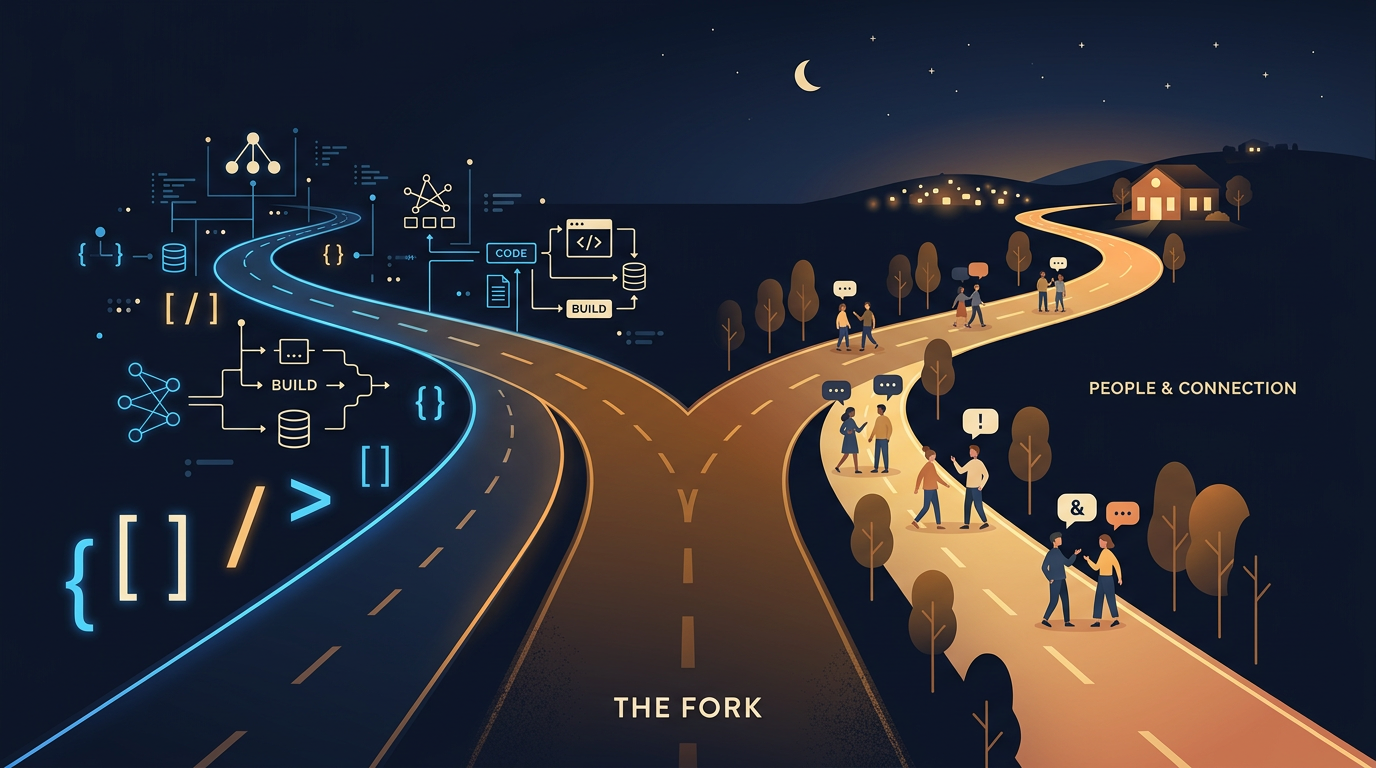
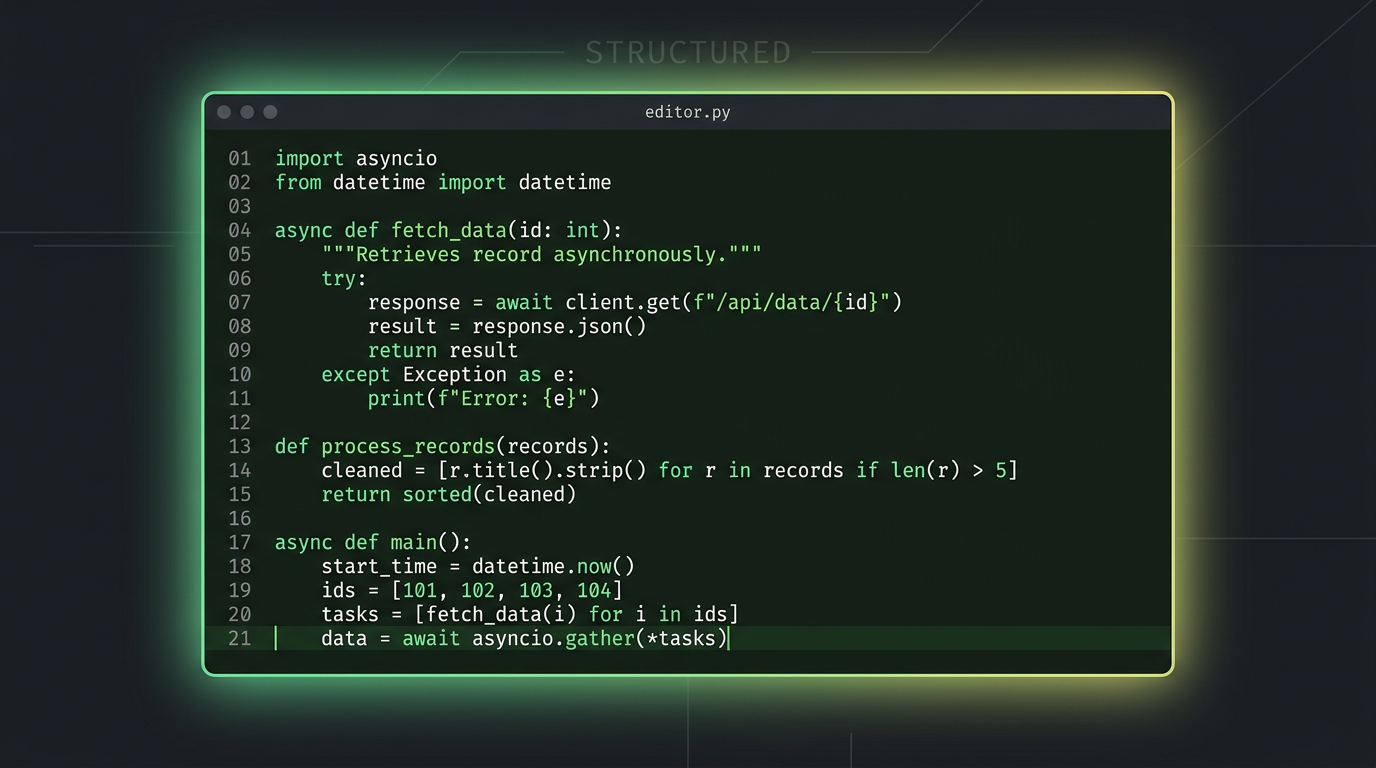
My career began the way most engineering careers do. My world revolved around clean code, elegant architecture, and scalable systems. Success meant well-structured solutions and bugs that stayed fixed. I thought about performance, maintainability, and technical correctness and I thought about very little else. Customers were an abstraction. Business outcomes were someone else's concern. Long-term vision was whatever the roadmap said it was. That is not a criticism of where I started. It is simply an honest description of what the engineering mindset optimizes for and why it is genuinely insufficient preparation for what comes next.
The Path That Changed My Perspective
Growing from developer to technical architect, then into a business architecture role, and later into pre-sales solution work, gave me something that pure engineering experience never could: an understanding of why software gets built, not just how. Working directly with business leaders and key stakeholders, I began to see how decisions made in early conversations about scope, about priorities, about what a solution needed to accomplish for the business shaped years of execution that followed. I learned that the same feature could be the right answer in one context and completely irrelevant in another, depending on what the business was actually trying to accomplish. I learned to look past features and understand the bigger picture behind them. That experience did not make me a less capable engineer. It made everything I built more purposeful. And it is what I draw on constantly while building Astonous.
The Mindset Shift That Defines the Transition
Becoming a technical founder required a fundamental change in how I understood my own responsibility. As an engineer, my job was to build things right. As a founder, my job became building the right things. Those two imperatives sound similar. They are not. Today, I spend significant time in direct conversation with customers who use our products particularly the Astonous Shipping App on Salesforce AppExchange. I listen to how they work, where they encounter friction, and how our solutions fit into the reality of their daily operations. When something does not work smoothly, I feel that frustration directly not as a bug report to be triaged, but as a real problem affecting a real person who trusted us to solve it. That shift from abstract user to real human being on the other end of your product is where customer empathy actually becomes operational. Great code does not create value. Solving real problems does. The code is the means — the solved problem is the point.
Code Is a Tool, Not the Destination
I still deeply respect good engineering. Quality, performance, and scalability matter and will always matter. But perspective on what they are in service of changes everything about how you make decisions. Perfect code that does not solve a business problem is not an achievement. It is expensive precision applied in the wrong direction. Earlier in my career, I took pride in making everything technically optimal from the beginning. Today, I understand that the measure of technical work is not its internal elegance but its external impact. At Astonous, we remind ourselves consistently that we are not building software we are building products that help businesses run better. That distinction drives how we prioritize, what we cut, and where we invest. The architecture needs to be good enough to support the business outcomes. The business outcomes are the point.
What Life as a Founder Actually Looks Like
One of the hardest adjustments in this journey has been the relentless context switching. On a single day I move between product decisions, customer conversations, sales discussions, marketing strategy, and technical problem-solving sometimes within the same hour. Each requires a completely different mode of thinking, and the transitions between them are never as clean as you want them to be. My instinct still pulls me back toward engineering problems. It is my comfort zone. It is the domain where I feel most competent and where the feedback loop is most immediate. A problem has a solution. You build the solution. The problem goes away. But the brutal honesty I have had to sit with is this: I can hire people to write code. I cannot hire someone to be the founder. The things only I can do building customer relationships, developing the market, making the strategic bets that define what Astonous becomes deserve more of my time and attention than engineering work that someone else could handle. The more I focus outward on customers, sales, and market understanding, the stronger the business becomes. That shift has been uncomfortable and necessary in equal measure.
Learning Sales and Marketing Without a Shortcut
Most technical founders carry a belief, usually unexamined, that a genuinely good product will sell itself. I carried that belief too. It took real experience to correct it. Building a product is one challenge. Educating a market about why that product solves a real problem and doing it consistently enough to earn trust is a completely different challenge that requires completely different skills. At Astonous, we have experimented with what works across Salesforce AppExchange, partner ecosystems, and direct customer conversations. We have made mistakes that were expensive in both time and confidence. We have also learned what actually works for us. Selling does not come naturally to most engineers. The directness of it, the ambiguity of it, the fact that you can do everything right and still hear no none of that maps cleanly onto the problem-solving logic that engineering rewards. But it is a learnable skill. And once you develop it, it becomes one of the most powerful capabilities you have as a founder, because you are combining market understanding with genuine technical credibility in a way that very few people can.
Why Astonous Exists
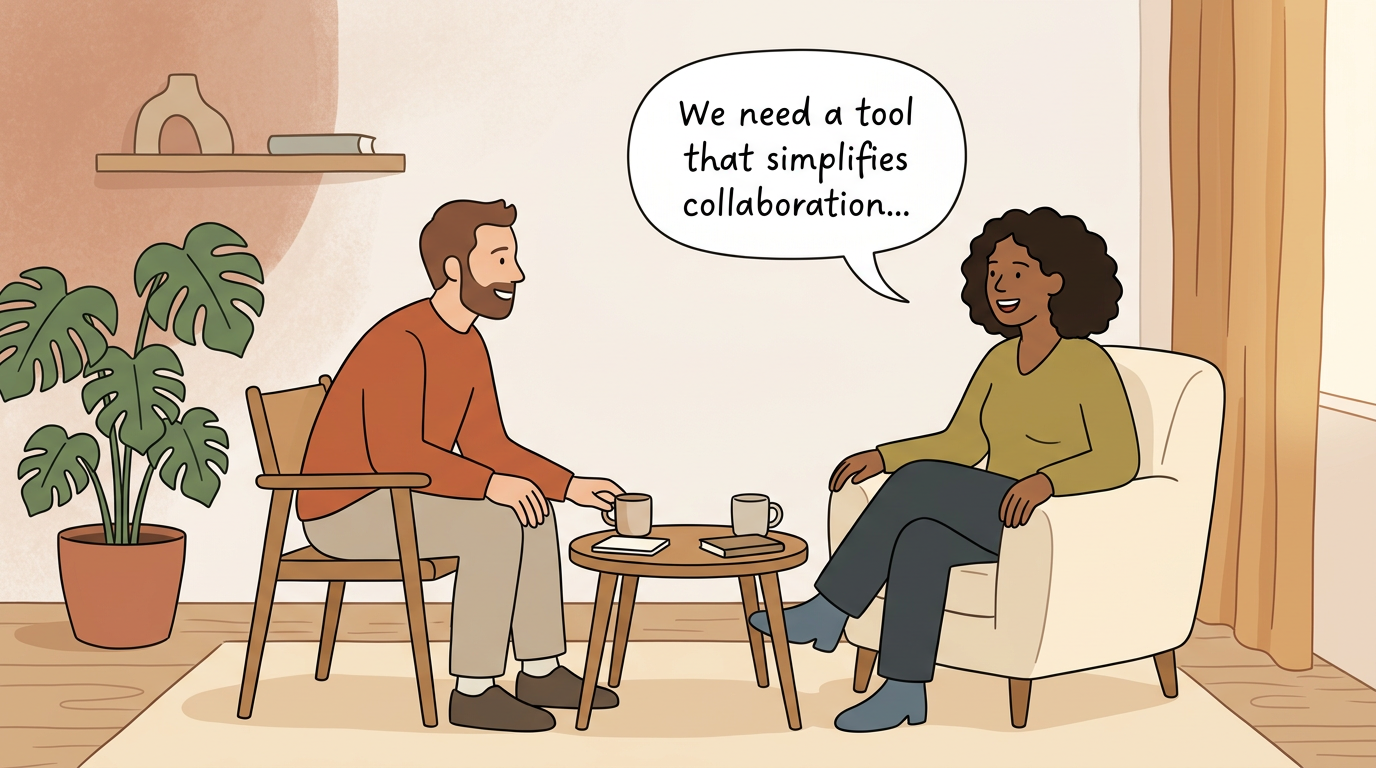
Every product we build and every service we deliver is guided by one question: does this genuinely make our customer's life easier? That question is not a tagline. It is the filter through which we evaluate priorities, make cuts, and decide what is worth building next. Businesses survive by solving real problems for real customers. That belief shapes how we build our culture, how we develop our products, and how we think about where Astonous should be in five years. The answer to that question has to be yes clearly and demonstrably yes or the work is not yet done.
A Message to Technical Leaders Who Are Considering the Transition
If you are an engineer or architect thinking about moving toward leadership or founding something of your own, the most useful things I can tell you are the ones I wish someone had told me earlier. Start talking directly to customers before you think you need to. Understand specifically how your product or service creates value in their actual work not in theory, but in practice. Learn to explain technical decisions in simple business terms, because the people whose support you need most will make decisions based on business outcomes, not technical correctness. And develop the discipline to prioritize user impact over personal technical interest the best architecture is the one that best supports the business, not the one that is most elegant in isolation. The journey from engineer to founder is not comfortable. The skills that made you successful in one domain are genuinely insufficient for the other, and acknowledging that gap is the first step toward closing it. But it is deeply worthwhile. You do not lose your technical edge in this transition. You finally connect it to something larger — and that connection is what turns good engineering into lasting value.



.png)
